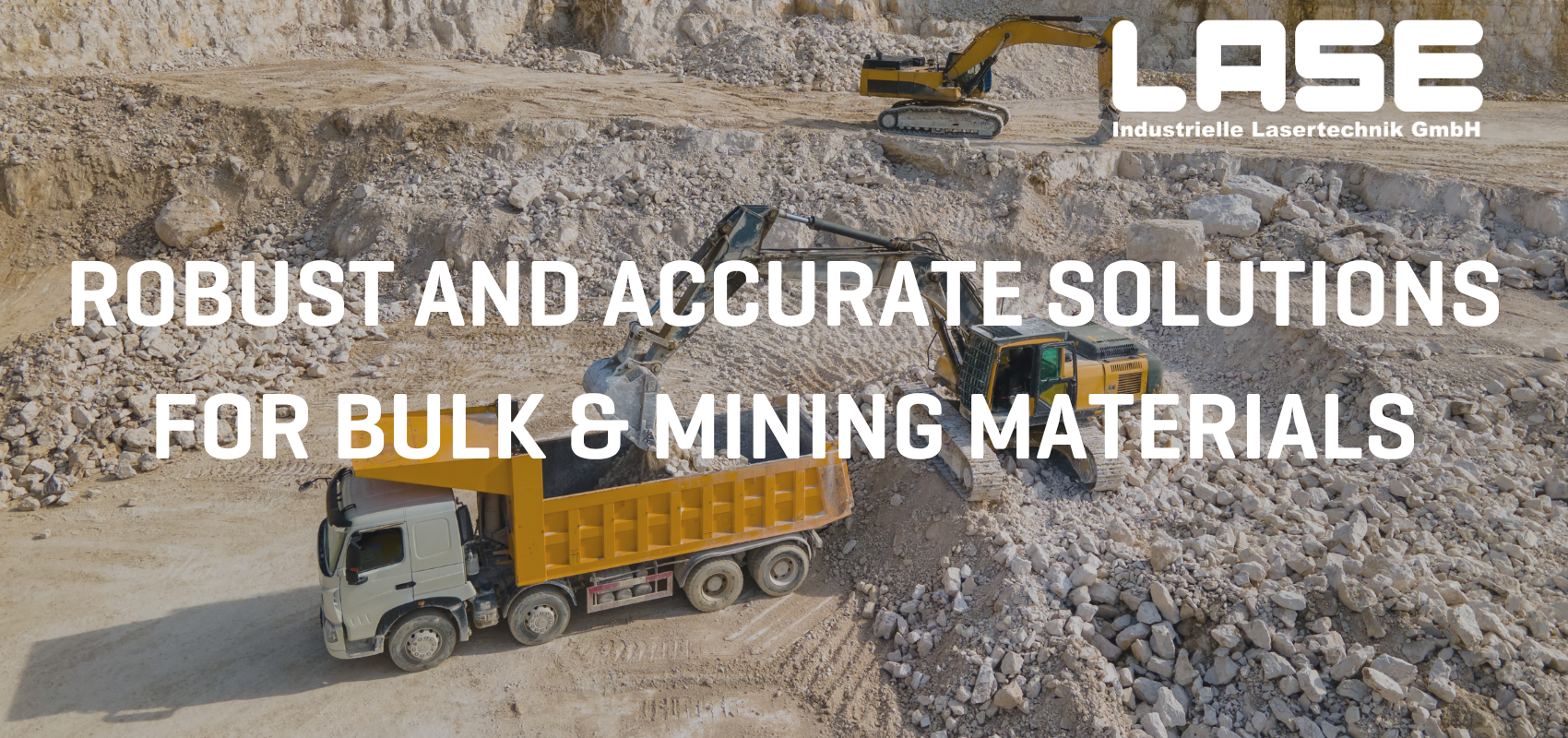
In open-pit copper mining, the ore is extracted from an expansive pit. The cost drivers refer to the operational variables that determine the costs that arise in the process of mining. Benchmarking entails the comparison of the financial performance measures in relation to similar operations to ascertain how efficient and competitive they are in the global market.
Expenses are generally divided into two major categories namely; CAPEX which stands for capital expenditures and OPEX or operating expenditures. CAPEX is the investment made during the development of a project including designing the mine, constructing its infrastructure and purchasing heavy machinery. In big copper mines, capital expenditure depends largely on mine capacity and stripping ratio. The costs involved are extremely susceptible to cost overruns due to the complexity of engineering involved as well as the volatility of material prices (Suárez Nieto et al., 2024).
During the extraction stage, the major drivers of OPEX include drilling, blasting, loading, and hauling. Haulage requires high resource usage; as depth increases and hauling distances become greater, costs related to diesel fuel, maintenance, and the depreciation of machinery increase significantly (Losaladjome Mboyo et al., 2025) . The consumption of fuel and parts accounts for the bulk of costs in loading and drilling operations, while explosives represent the main expenditure in blasting.
After the ore has been extracted, comminution, including crushing and milling, becomes the biggest contributor to the company’s operating expenses. Milling is especially demanding in terms of energy and represents almost 60% of the total costs in an ordinary open-pit copper mining operation (Losaladjome Mboyo et al., 2025). Thus, efficiency of this process, including electricity consumption and grinding media wear, becomes the key factor in controlling costs.
The process of benchmarking the operational efficiencies is usually done by employing industry cost curves used in mining operations. The charts show the total output from different mines and the unit cash operating costs. The charts enable the operators to determine their rankings in terms of quartiles in the world market. In addition, sophisticated forecasting models assess production variables, reserve mean ore grade, and life of the mine for prediction of capital and operational costs compared to other players (Zheng et al., 2021).
Benchmarking enables mine operators to determine specific operational problems and develop appropriate ways of addressing such challenges. In case the hauling costs of a particular operation are significantly high, the company may opt to use in-pit crushing and conveying systems to avoid using haul trucks. Through benchmarking, open-pit copper operations are able to understand their own cost drivers and design pit limits that would increase the economic value of their operations and protect them against price fluctuations in the commodities market.
References
Losaladjome Mboyo, H., Huo, B., Mulenga, F. K., Mabe Fogang, P., & Kaunde Kasongo, J. K. (2025). Distribution of operating costs along the value chain of an open-pit copper mine. Applied Sciences, 15(3), 1602. https://doi.org/10.3390/app15031602
Suárez Nieto, L., Fidalgo Valverde, G., Krzemień, A., Riesgo Fernández, P., & Iglesias Rodríguez, F. J. (2024). Economic risks in mining investments: A prospective analysis of capital cost estimation in copper mining projects. Resources Policy, 99, 105427. https://doi.org/10.1016/j.resourpol.2024.105427
Zheng, X., Nguyen, H., & Bui, X.-N. (2021). Exploring the relation between production factors, ore grades, and life of mine for forecasting mining capital cost through a novel cascade forward neural network-based salp swarm optimization model. Resources Policy, 74, 102300. https://doi.org/10.1016/j.resourpol.2021.102300