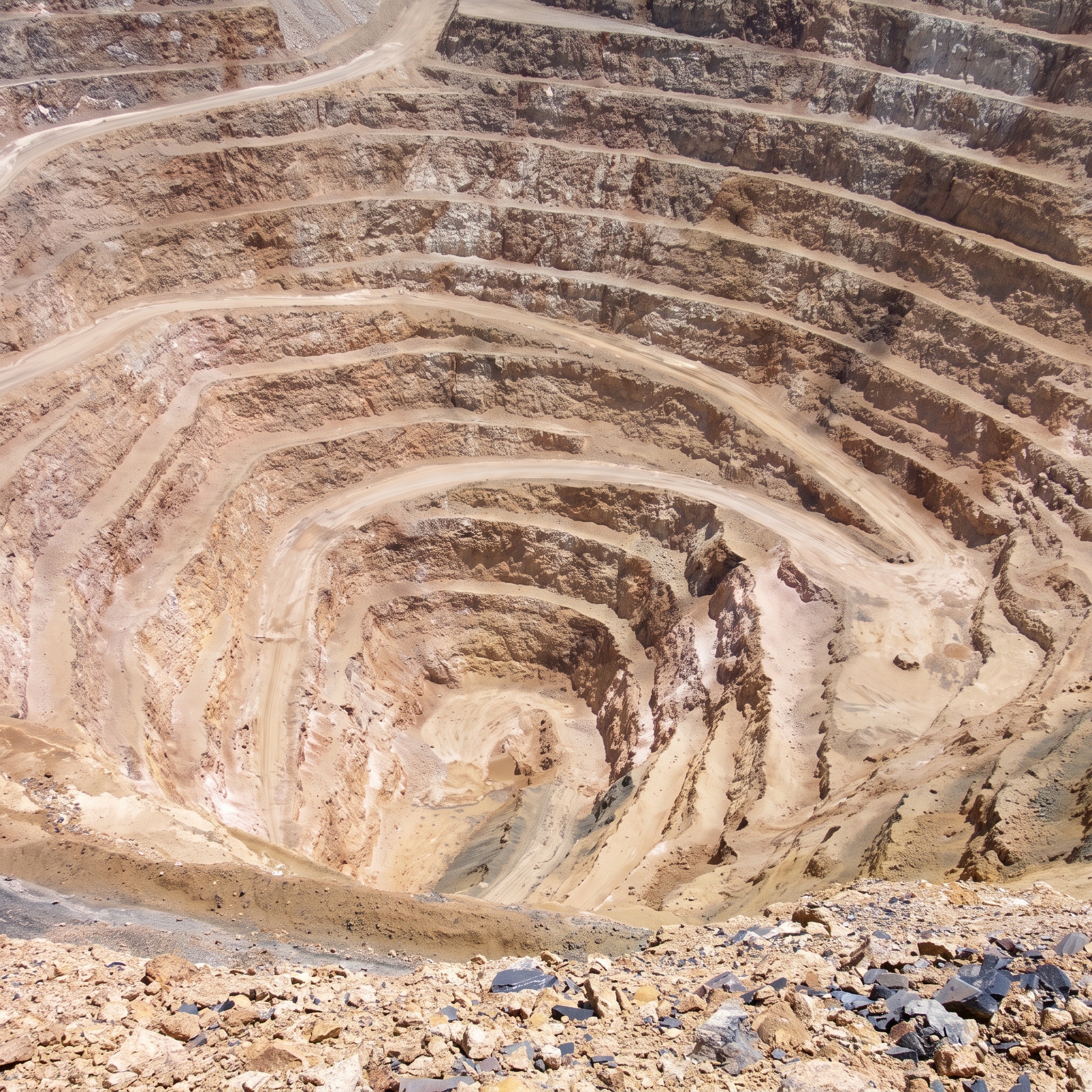
The Phoenix mine project represents an essential part of the modern mineral mining process in Lander County, Nevada. Being situated in 5.5 to 13 miles south of Battle Mountain, this mine is in the historical mining district of Battle Mountain, where mining processes were established since 1864. The Phoenix mine is managed by Nevada Gold Mines – a partnership between Barrick Gold Corporation and Newmont Corporation as a long-life multi-metal mine. This mine is distinguished in the mining industry due to its mineral resources, tri-metal processing facilities, metallurgy innovations, and environmental protection measures.
The operation holds significant reserves of minerals, including 2.9 million ounces of gold and 840 million pounds of copper, which are considered proven and probable. The open pit mining operations take place in the Fortitude and Bonanza pits, feeding ore at a rate of 35,000 tons per day to the primary crushing and grinding circuits. Gold, copper, and silver are recovered in parallel processing streams. The initial process involves gravity concentration for recovering coarse gold, while the flotation process occurs in two stages, resulting in copper sulfide concentrates. Precious metals are recovered using carbon-in-pulp cyanide leaching from the flotation tailings, while copper cathodes are produced through acid heap leach and solvent extraction-electrowinning processes.
At Phoenix, the processing circuits are constantly being optimized to achieve maximum metal recovery from complex ore bodies. One of the process innovations included treating the cleaner flotation tailings in leaching tanks for longer periods. Such optimization increased gold recovery by five percent and brought an additional $10 million per year in the first year of implementation. Not only does Phoenix operate in this area but also acts as a geologic and logistical center for the Battle Mountain District. Exploration projects like Independence gold deposit benefit from that infrastructure and geology.
The environment and safety of employees are the main concerns of Phoenix’s activities. The plant operates with full certification according to the International Cyanide Management Code, which confirms the safety of the procurement, transportation, storage, and use of sodium cyanide. Mill tailings are treated with peroxymonosulfuric acid (Caro’s acid) for the reduction of weak acid dissociable cyanide content to less than 35 parts per million before releasing into the synthetic-lined Tailings Storage Facility. Strict zero-discharge policy for the fluid handling is applied to avoid contamination of surface and ground waters of the region. Gas monitoring system is used in hazardous plant areas to protect workers from hydrogen cyanide exposure. Quarterly meetings are organized with the community of Battle Mountain.
Phoenix mine is one of the cases that demonstrate how historical mining areas in Nevada can be modernized through technical competence and good management. The incorporation of multiple metals recovery streams, constant improvements, and environmental compliance forms the basis of its role as a valuable business. Extensions of planned pits and resource assessment will make Phoenix an important player in Nevada’s mining industry for some time to come.