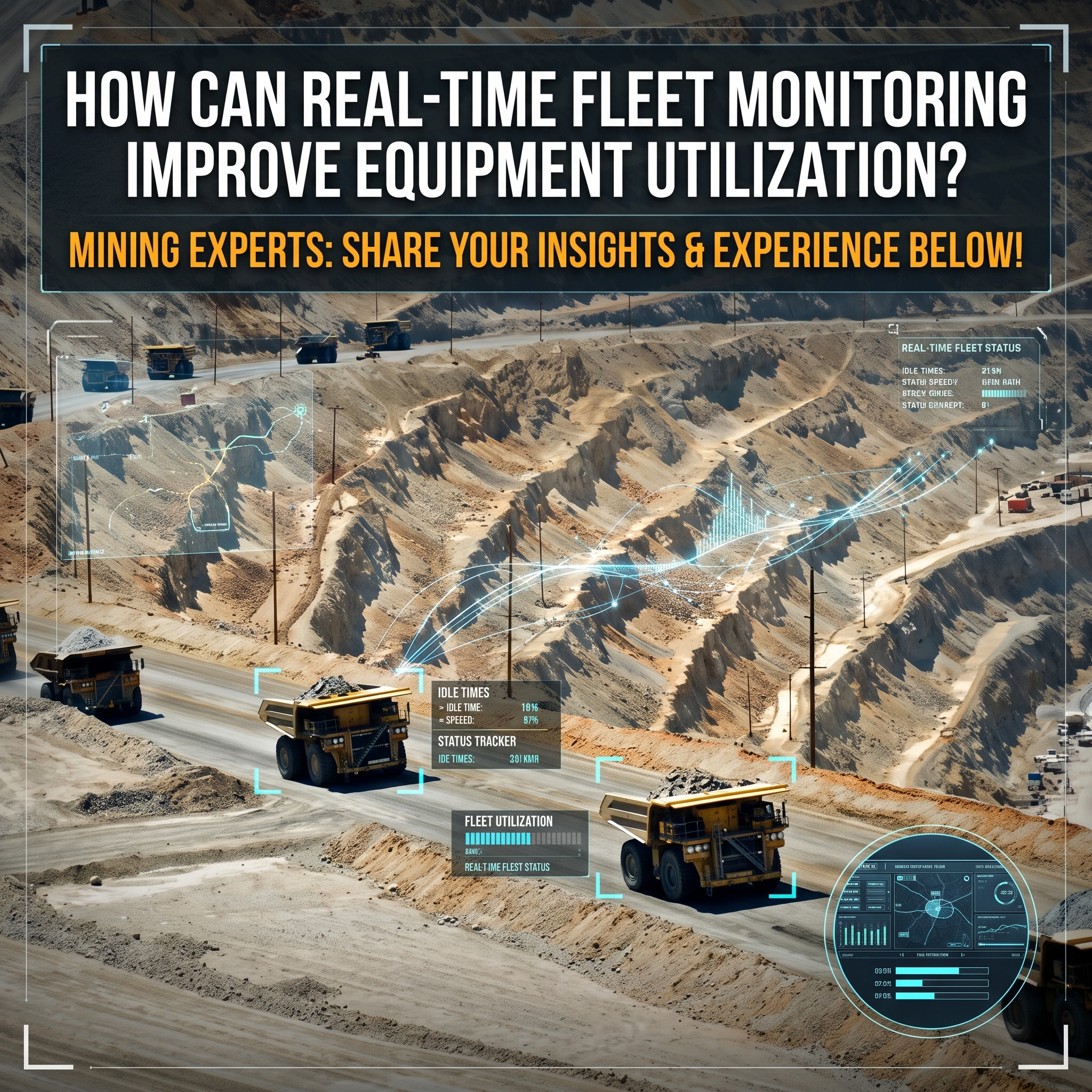
Heavy commercial equipment represents one of the largest capital commitments on any balance sheet, yet industry findings indicate that nearly half of these assets sit idle or underutilized for more than half their operational lives. Most fleet enterprises currently run telematics hardware, but fewer than a third possess the systems necessary to turn live signals into proactive management. Real-time fleet monitoring closes this operational divide. Live telemetry transforms passive tracking into an active coordination system that curtails excessive engine idling, streamlines dynamic machine allocation, and prevents unscheduled maintenance disruptions. Asset visibility therefore acts as a critical bridge between costly capital expenditure and sustained jobsite profitability.
Engine run-time often masks severe operational inefficiencies when managers fail to distinguish between productive work and stationary machine idling. Unnecessary engine idling frequently accounts for more than a quarter of total powered equipment run-time. Operations that capture continuous data across three-quarters of their fleet are more than twice as likely to cut non-productive idle hours compared to unmonitored fleets. Live alerts and dashboard coaching prompt machine operators to shut down engines during staging and rest intervals. These immediate interventions eliminate substantial fuel waste, reduce premature powertrain wear, and preserve the long-term capital value of heavy machinery. Consequently, proactive monitoring protects equipment longevity while simultaneously trimming daily operating budgets.
Project managers frequently hoard equipment on job sites out of caution, leaving machines stranded even when nearby projects face severe shortages. Roughly two-thirds of construction organizations report persistent asset hoarding because static schedules lack real-time visibility. Continuous global positioning updates replace outdated morning plans with live location and breadcrumb tracking. Dispatchers can locate underused machinery instantly, route assets to priority tasks, and eliminate wasted travel miles. Clear site-wide transparency allows firms to redeploy existing equipment across active projects instead of paying for expensive, redundant third-party rentals. Such agility ensures balanced equipment utilization across every active project site.
Sudden equipment failures stall projects and force over 25% of fleet companies to pay for expensive emergency rentals. Standard calendar-based maintenance is inefficient, as it often services machines too soon or misses sudden issues. Modern telematics solve this by tracking live metrics, like engine hours, temperature, and fault codes, allowing software to automatically trigger service only when actual usage thresholds are met. Early mechanical intervention resolves minor component wear before catastrophic failures happen, which keeps primary machinery in service and maximizes eventual resale values. Technicians receive accurate machine diagnostics ahead of time, which accelerates repair turnaround and sustains daily fleet readiness.
Real-time fleet monitoring converts fragmented telematics data into an active strategy for asset efficiency. Fleet managers who rely on manual logs and static spreadsheets remain vulnerable to hidden idle waste, duplicated rental costs, and sudden equipment failures. Modern tracking systems create a unified operational picture that unites field personnel, dispatchers, and service technicians. Organizations that embed live equipment metrics into daily operational decisions achieve higher machine availability, lower fuel consumption, and superior capital productivity across the entire life cycle of their fleet. This comprehensive digital transformation ensures that every deployed asset actively generates revenue rather than unnecessary expense.