The Olimpiada mine is the largest gold mine in Russia and ranks among the biggest globally. It is in the Krasnoyarsk Krai region of Siberia and is operated by Polyus, Russia’s leading gold producer.
The mine lies within the Late Proterozoic trough of the Yenisey Range, containing orogenic and placer gold deposits. The basement complex is represented by Early Proterozoic kyanite-staurolite containing quartzite and marble. Mineralisation occurs in disseminated sulphide form, which is in a sedimentary rock sequence containing carbonate-mica schists along with a carbonaceous shale unit. The rocks are deformed into northwest-trending linear folds.
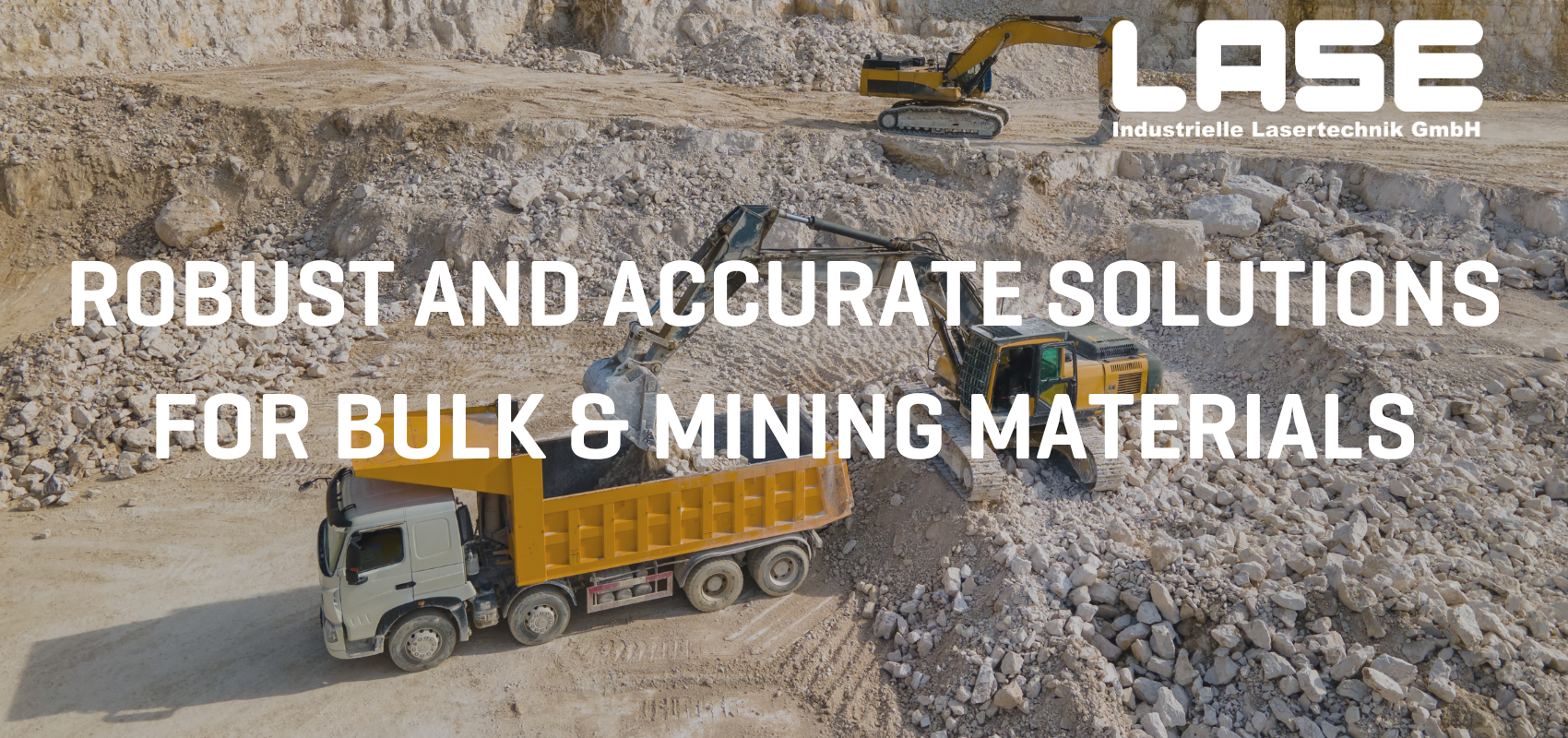
Olimpiada mine is an open-pit mine with the ore stock-piled at the surface. The ore is mined from the Vostochny pits. The mining operations currently include conventional open-pit methods. This comprises drilling and blasting, followed by excavation for removal of rock, and hauling. Drilling and blasting are undertaken using a standard truck-and-shovel operation.
The ore is processed in mills 1, 2 and 3, having a collective nominal capacity of over 13.9 million tonnes per annum (Mtpa). The processing includes gravity and flotation concentration method of ore, followed by bio-oxidation of the flotation concentrate and use of sorption leaching of the bioleach product in the carbon-in-leach (CIL) process. The sulphide ores at the mine are treated using the company’s proprietary bio-oxidation technology, known as BIONORD.
What technological or logistical aspect of this mine’s operations do you find most impressive? Let’s discuss!
Text rights: (“Olimpiada Gold Mine, Severo-Yeniseysky District,” n.d.)
Text source: Olimpiada Gold Mine, Severo-Yeniseysky District. (n.d.). Mining Technology. Retrieved July 7, 2025, from https://www.mining-technology.com/projects/olimpiada-gold-mine-russia/