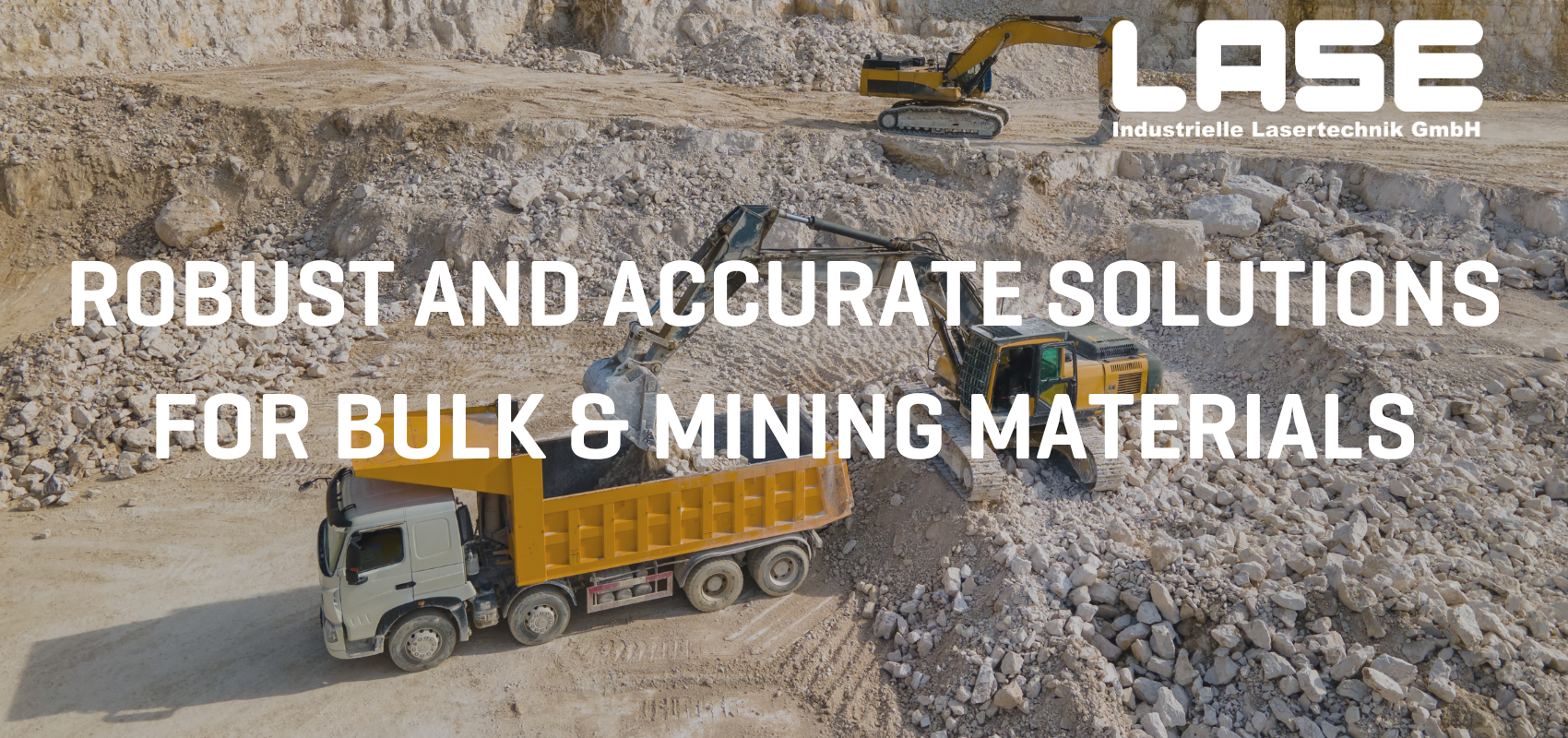
Safety in mines are one of the most dangerous work environments that any geologist can find themselves in. To name just a few hazards, there is the ever-present danger of rock falls, of being run over by heavy mine machinery or of falling into holes or over steep rock faces. To maximise safety, the geologist should always keep the following rules at the forefront of his mind:
- Make sure that a suitable responsible person (shift boss, mine foreman, immediate supervisor, etc…) knows where and when you are working in the mine. There is usually some sort of tagging system for entering and leaving an underground mine area. Use it religiously: this is vital for your safety.
- Familiarise yourself with all mine safety rules and procedures and follow them.
- A geologist needs to get close to a rock to see structure or details of mineralisation, but having one land from above on top of your head is much too close. Do not approach any steep or overhanging rock face without first checking it for safety. If in doubt keep well clear.
- In open cut mines steep batters can collapse with little warning. Dangerous ground is usually marked by small rock slips or by cracks opening on the berms at the head of the face. Consult with mine engineers about potentially dangerous ground. Faces that have been stable for many months or years are unlikely to collapse just because you are underneath them– but beware all rock faces after heavy rain or if there has been any recent digging or blasting or movement of heavy equipment nearby.
- In underground mines, new mine advances generally need to be barred down and perhaps secured with rock bolts or steel mesh before it is safe for anyone to enter. Check with the mine foreman before entry to such areas.
- In open cut mines keep well clear of heavy earth moving machinery– the drivers of these units have almost zero visibility for anything close to them or behind them or indeed for anything as small as a human being– even if they are clothed in fluorescent orange, jumping up and down and waving their arms about. When mapping active mining areas wait till the coast is clear before approaching the face– not all areas of a mine are worked at the same time: shift changes or meal breaks can often leave the mine area clear for periods long enough for the geologist to get close to the active faces to carry out her job.
- Wear safety gear. This includes hard hats, safety glasses, steel-capped boots, heavy duty coveralls and brightly coloured or reflective clothing.