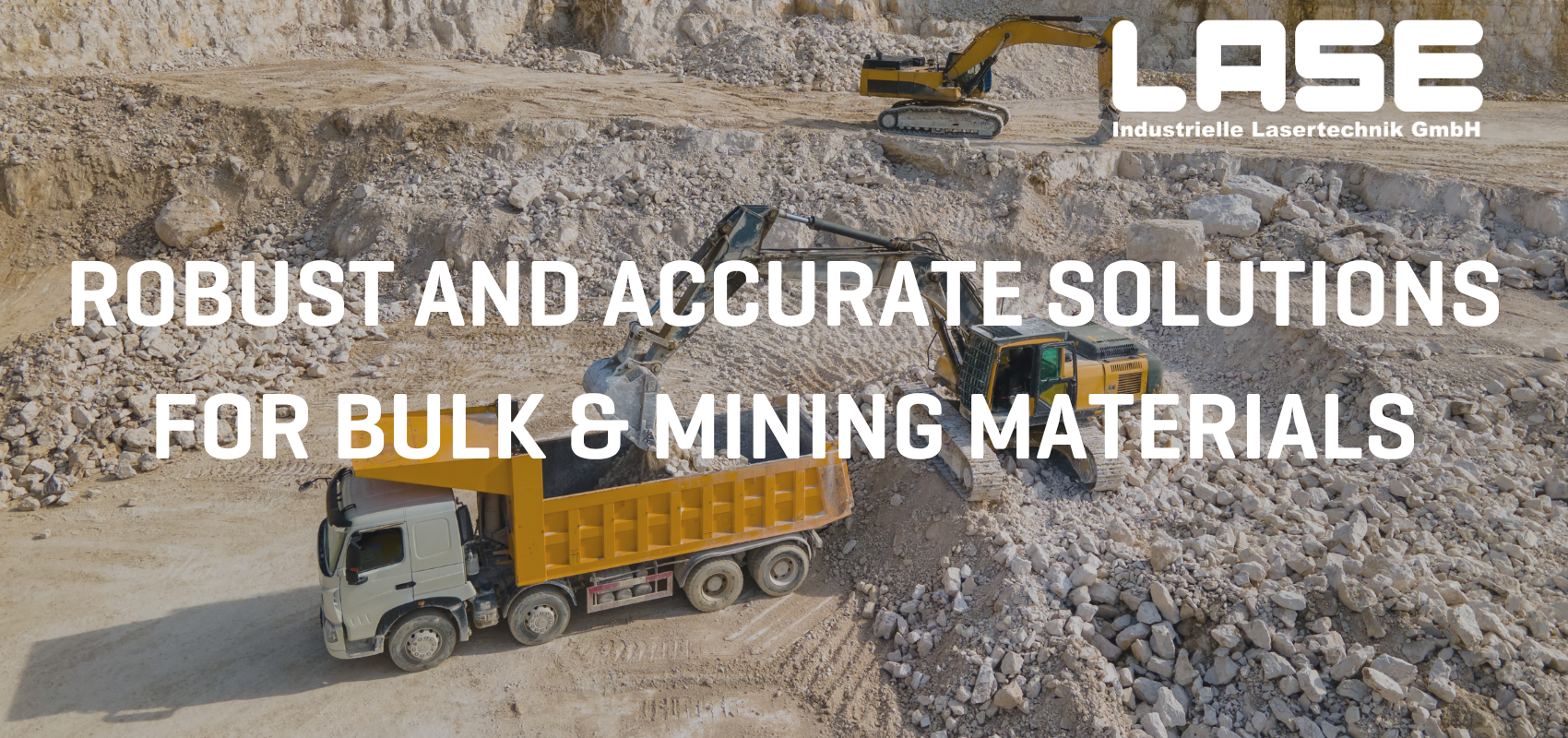
The choice between open-pit and underground mining depends on factors such as deposit depth, geology, environmental impact, economic viability, and safety. Open-pit mining is generally used for shallow deposits due to its cost-effectiveness, high productivity, and safer working conditions. In contrast, underground mining is suited for deeper deposits, offering more selective extraction and less surface disruption, though it typically involves higher costs and greater safety challenges(sarahrudge, 2025).
Choosing between open-pit and underground mining depends on the specific conditions of a site, including deposit depth, environmental sensitivity, and resource value. Open-pit mining suits shallow, lower-value deposits in less fragile environments, while underground mining is ideal for deeper, high-value deposits in sensitive areas. Open-pit offers easier access but greater environmental impact, whereas underground poses more safety risks to workers. Ultimately, the most suitable method varies case by case, based on geological and environmental factors(“Open Pits or Underground Ops,” 2021).
What are the key factors that drive this complex choice, and why is it never a simple decision? Share your insights!
Reference:
-
Open Pits or Underground Ops. (2021, October 25). Alaska Business Magazine. https://digital.akbizmag.com/issue/november-2021/open-pits-or-underground-ops/
-
sarahrudge. (2025, April 9). Open-Pit Mining: The Top 3 Pros and Cons Explained. Mining and Minerals Today. https://m-mtoday.com/news/open-pit-mining-the-top-3-pros-and-cons-explained/