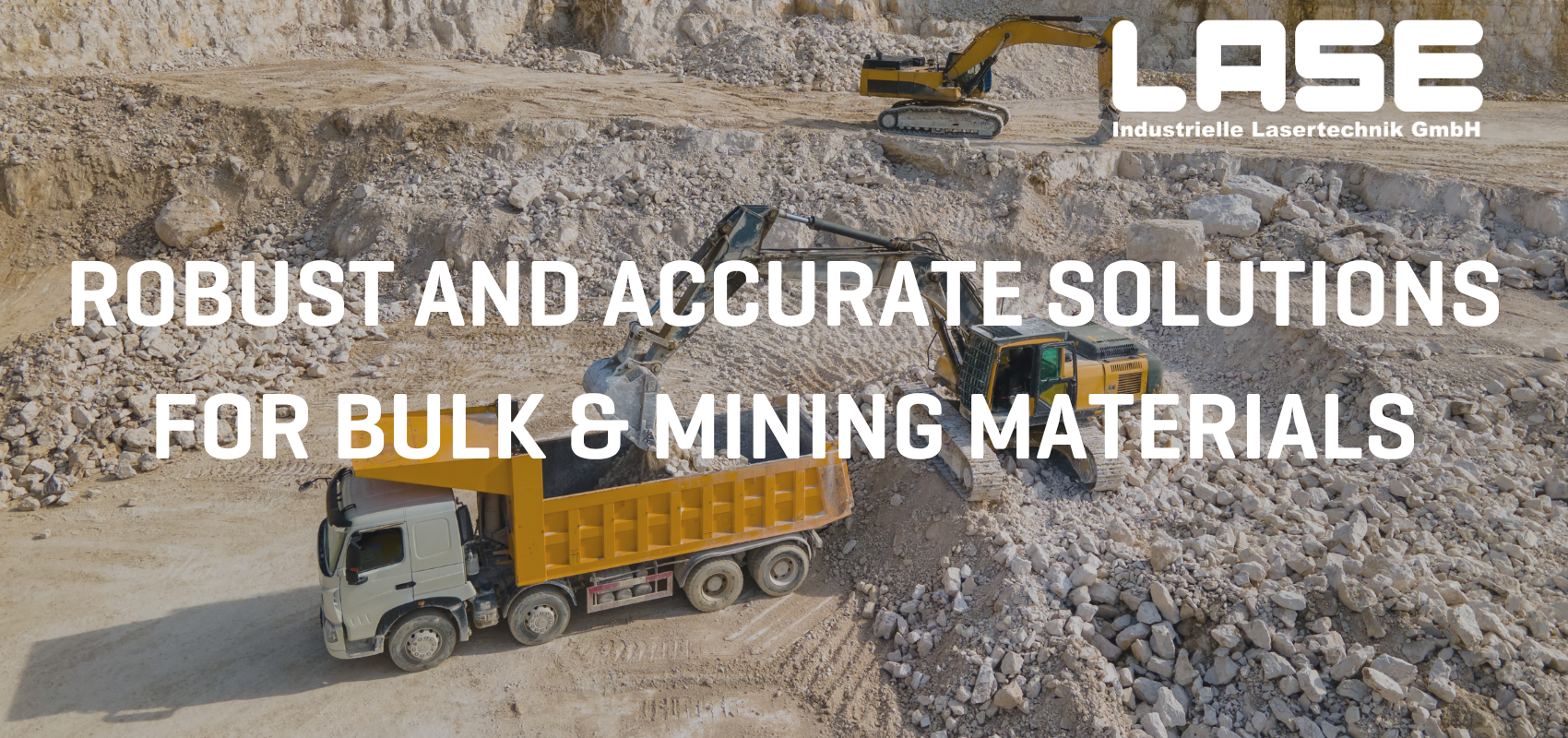
Mining dilution is the unintended inclusion of waste material or low-grade material with ore during mining, which is then sent to the processing plant along with the ore (Dilution – SIX-S GmbH, n.d.).
Dilution can result from several operational and geological factors, including blasting overbreak, wall slough, ore–waste misclassification, stope geometry, or equipment limitations (Villaescusa, 2014).
If not carefully controlled, dilution can have serious economic and operational consequences:
- Increased processing costs and energy consumption
- Lower feed grades and reduced metallurgical recoveries
- Reconciliation gaps between modelled and actual production
- Decreased project value and economic return
Understanding and managing dilution is essential to optimize ore recovery and maintain operational efficiency.
Mining Dilution is the silent thief of profitability, lowering ore grade and driving up costs. What is the fundamental concept of dilution, and why is tracking it so crucial for the financial health of a mine? Share your insights!
References
-
Dilution – SIX-S GmbH. (n.d.). Retrieved October 10, 2025, from https://www.six-s.com/knowledge-base/article/dilution/
-
Villaescusa, E. (2014). Dilution Control. In Geotechnical Design for Sublevel Open Stoping. CRC Press.