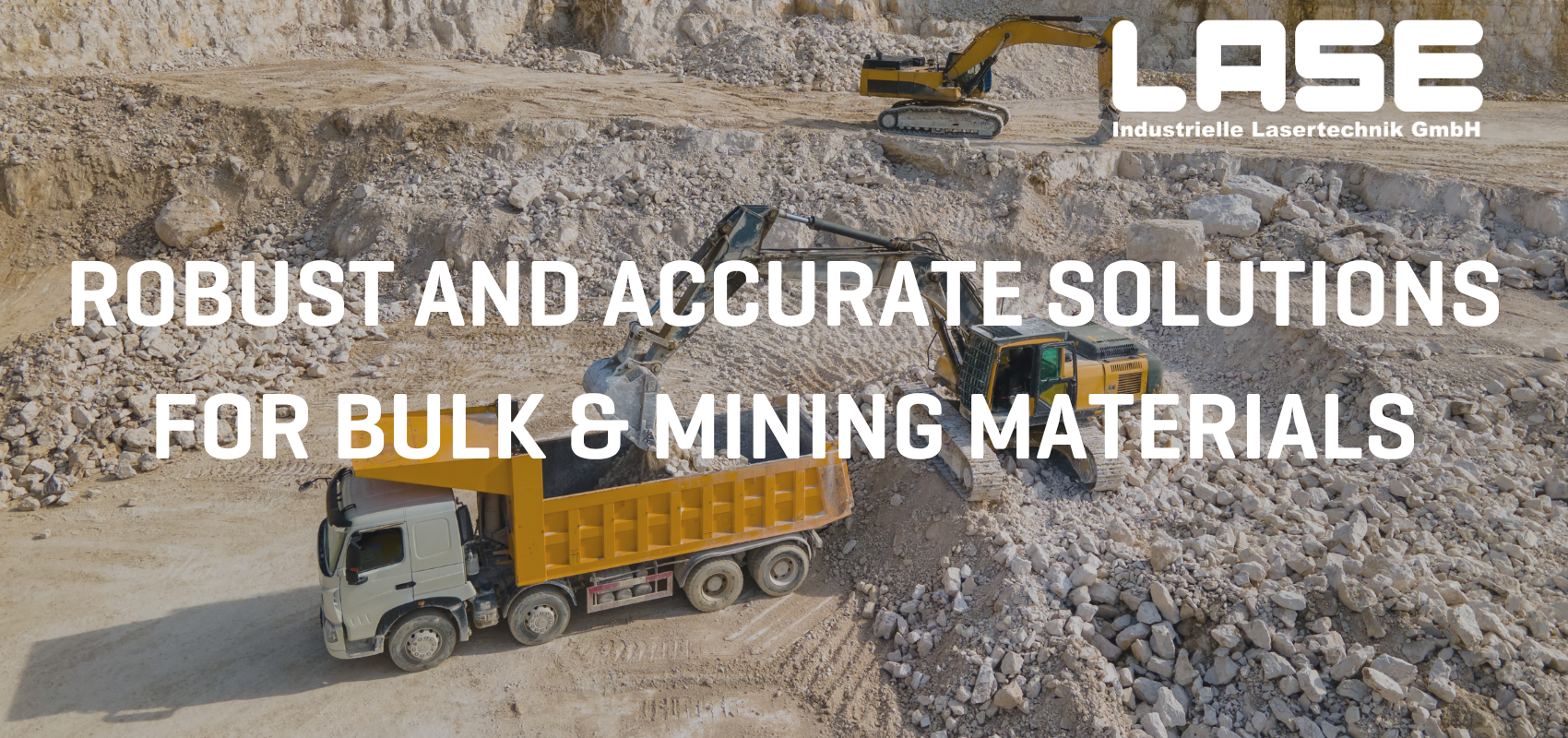
Blasters are needed because they are responsible for loading and detonating the explosives needed in mining while following strict health, safety and security regulations. Blasters must have good planning skills and great attention to detail.
The key responsibilities of blasters include:
- Lay out drill patterns, determine depth and diameter of blast holes.
- Conduct field tests to determine type and quantity of explosives required
- Design the blast timings.
- Assemble primer charges using selected detonators, fuses, detonating cords and other materials.
- Manually load explosives in blast holes or direct bulk explosives trucks to load holes.
- Connect electrical wires, detonating cords or fuses into series and connect series to blasting machines; detonate charges.
- Manage, store and transport explosives and accessories according to regulations and ensure that safety procedures are observed at all times.
- Report on and maintain accurate inventory of explosives.
- May operate air-track, rotary, in-the-hole or other drilling machines to drill blast holes.
Blasters have the opportunity to work at both underground and surface mine sites. Potentially exposed to severe environmental conditions, they must be able to transport loads of explosives, follow strict procedures around potentially hazardous materials, and thoroughly interpret federal and provincial regulations. they are team players, working with production drillers and other operation and production crews to ensure safety and minimize risks.