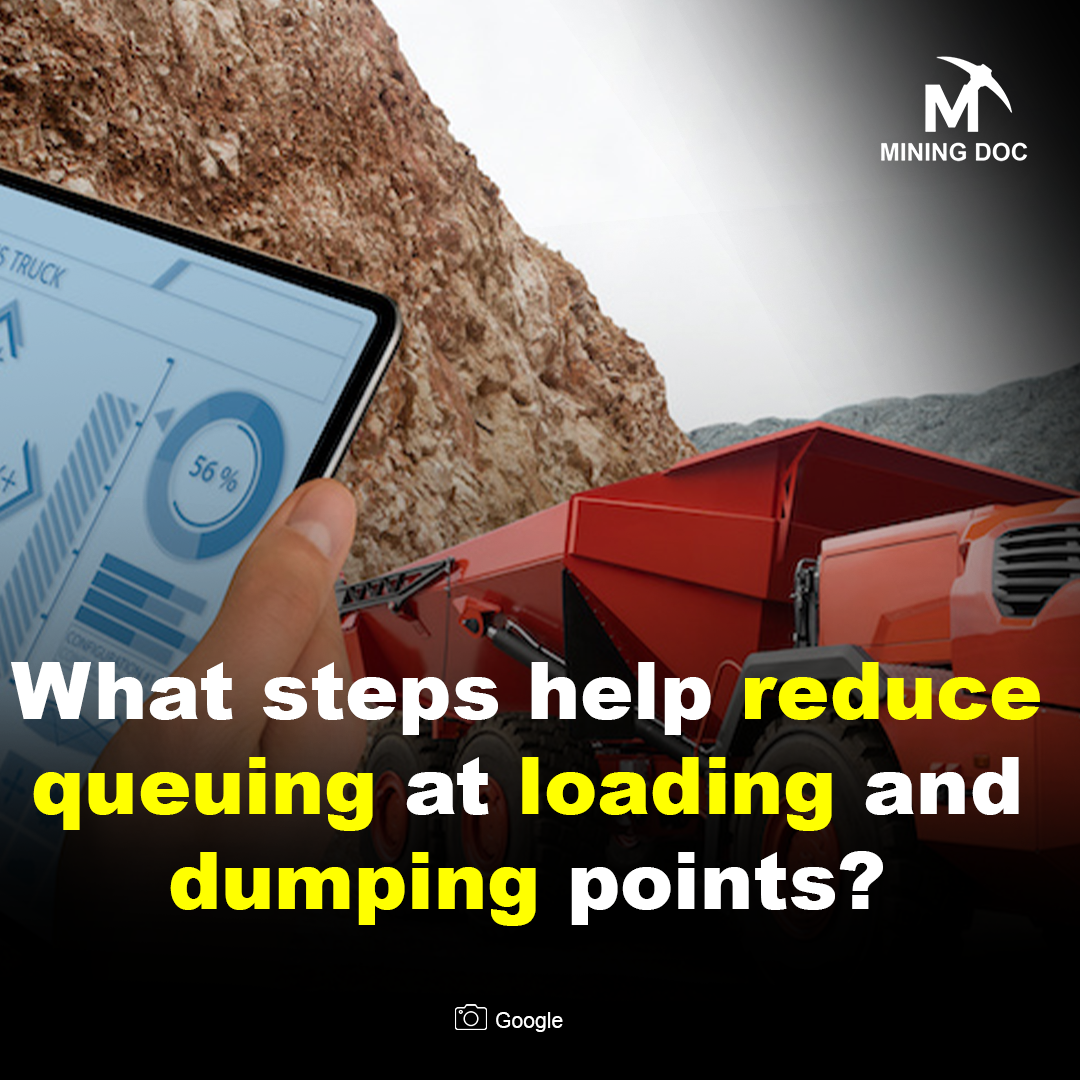
Reducing queuing at loading and dumping points starts with optimizing truck–shovel ratios and fleet balance. Matching fleet capacity to loader productivity helps prevent truck congestion and idle shovels, while adjusting the number of loaders or trucks ensures smoother material flow. When properly aligned, these measures can significantly reduce waiting times and improve overall productivity(Tackling Haul Truck Inefficiencies in Mining, n.d.).
Advanced dispatching technologies further enhance efficiency by enabling real-time decision-making. AI-driven and reinforcement learning–based dispatch systems dynamically allocate trucks in response to breakdowns, delays, or changing operating conditions, cutting unnecessary wait times. Predictive models such as artificial neural networks can also forecast queue surges on an hourly basis, allowing operators to take proactive action(AI Boosts Mining Trucks Efficiency with 55% Shorter Queues – MINING.COM, n.d.).
Dynamic routing strategies play a key role in sustaining these improvements. By intelligently managing both empty and loaded truck movements based on key performance indicators, mines can optimize load–dump assignments and shorten cycle times. Together, these approaches can reduce queuing by up to 55% and boost productivity by 23–33% across mining operations.
Smarter dispatching and optimized truck–shovel ratios can cut queuing by over 50%—how is your operation tackling this?
Reference:
-
AI boosts mining trucks efficiency with 55% shorter queues—MINING.COM. (n.d.). Retrieved February 3, 2026, from https://www.mining.com/ai-boosts-mining-trucks-efficiency-with-55-shorter-queues/
-
Tackling Haul Truck Inefficiencies in Mining: Deeper Analysis and Case Studies. (n.d.). Retrieved February 3, 2026, from https://www.linkedin.com/pulse/tackling-haul-truck-inefficiencies-mining-deeper-case-ali-soofastaei-6xthf