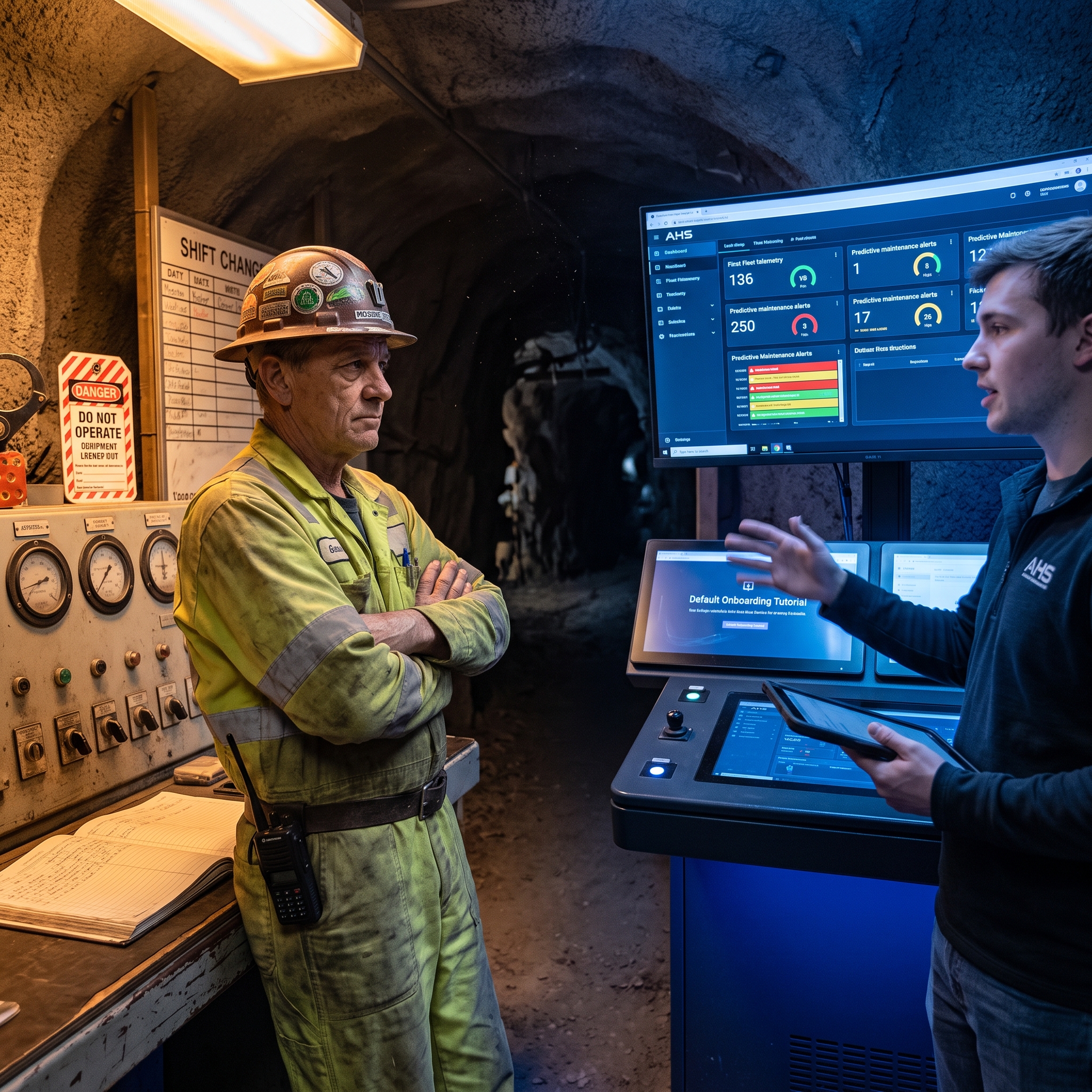
The implementation of any digital innovations in the workplace faces significant opposition most of the time. In order to consider this problem, it is necessary to consider the definitions of three important terms: “technology adoption,” which is an application of innovative devices; the “experienced operational workforce,” which represents veterans who do the basic operations with those technologies; and “resistance to change,” which is a behavior reaction to any changes.
One of the main reasons why experienced staff members resist technological innovations is due to the existence of a psychological effect called the “status quo bias.” Staff members worked with specific processes throughout many years and when innovations are applied, their brain develops some kind of non-rational preference towards the existing conditions, as they are seen as an anchor point in a psychological sense (Godefroid et al., 2024). They don’t assess the value of innovation objectively but only perceive the fact that their competencies will be disrupted by the introduction of innovation.
The systemic barriers have also been cited as sources of resistance and have been attributed to the Technology Acceptance Model (TAM). An individual’s readiness to adopt innovations is based on perceived usefulness and perceived ease of use. When an innovation is too complex, resistance tends to increase. Sıcakyüz & Yüregir (2020) state that besides these, affective commitment to the organization also affects the employees’ response. When employees see technology as a burden, they lose their affective commitment, causing resistance.
Also, the environment is a significant mediator in this conflict. Studies show that acceptance is dependent on the working environment and the employees’ exposure to the technology before. Employees working in environments with supportive teams and positive experiences of using technology have much higher technology acceptance and effective coping mechanisms (Donati et al., 2021). As a result, an experienced workforce working in isolation is much less likely to accept technological demands.
As a result, to address these obstacles, it is critical that businesses adopt a people-centered approach to change management. The leaders should be concerned about overcoming status quo bias by engaging senior employees during the technology selection stage, making them stakeholders in the project (Godefroid et al., 2024). Moreover, the training must focus on the usefulness of the software rather than its features.
In summary, the lack of enthusiasm by veterans in embracing new technology is caused by a combination of factors including status quo bias, issues of usability, and environmental dynamics. It is important to appreciate the legitimacy of the expertise of the workers at this stage. Through transparent communication, participatory design, and teamwork, organizations can bring together technology and human effort. The success of technology implementation boils down to winning over the workforce’s trust.
References
Donati, S., Viola, G., Toscano, F., & Zappalà, S. (2021). Not All Remote Workers Are Similar: Technology Acceptance, Remote Work Beliefs, and Wellbeing of Remote Workers during the Second Wave of the COVID-19 Pandemic. International Journal of Environmental Research and Public Health, 18(22), 12095. https://doi.org/10.3390/ijerph182212095
Godefroid, M., Gan, Y., Hüls, G., Plattfaut, R., & Niehaves, B. (2024). Addressing status quo bias to turn a failing decision system introduction around: the case of DB Schenker. Journal of Decision Systems, 1–30. https://doi.org/10.1080/12460125.2024.2410515
Sıcakyüz, Ç., & Yüregir, O. H. (2020). Exploring resistance factors on the usage of hospital information systems from the perspective of the Markus’s Model and the Technology Acceptance Model. Journal of Entrepreneurship, Management and Innovation, 16(2), 93–131. https://doi.org/10.7341/20201624