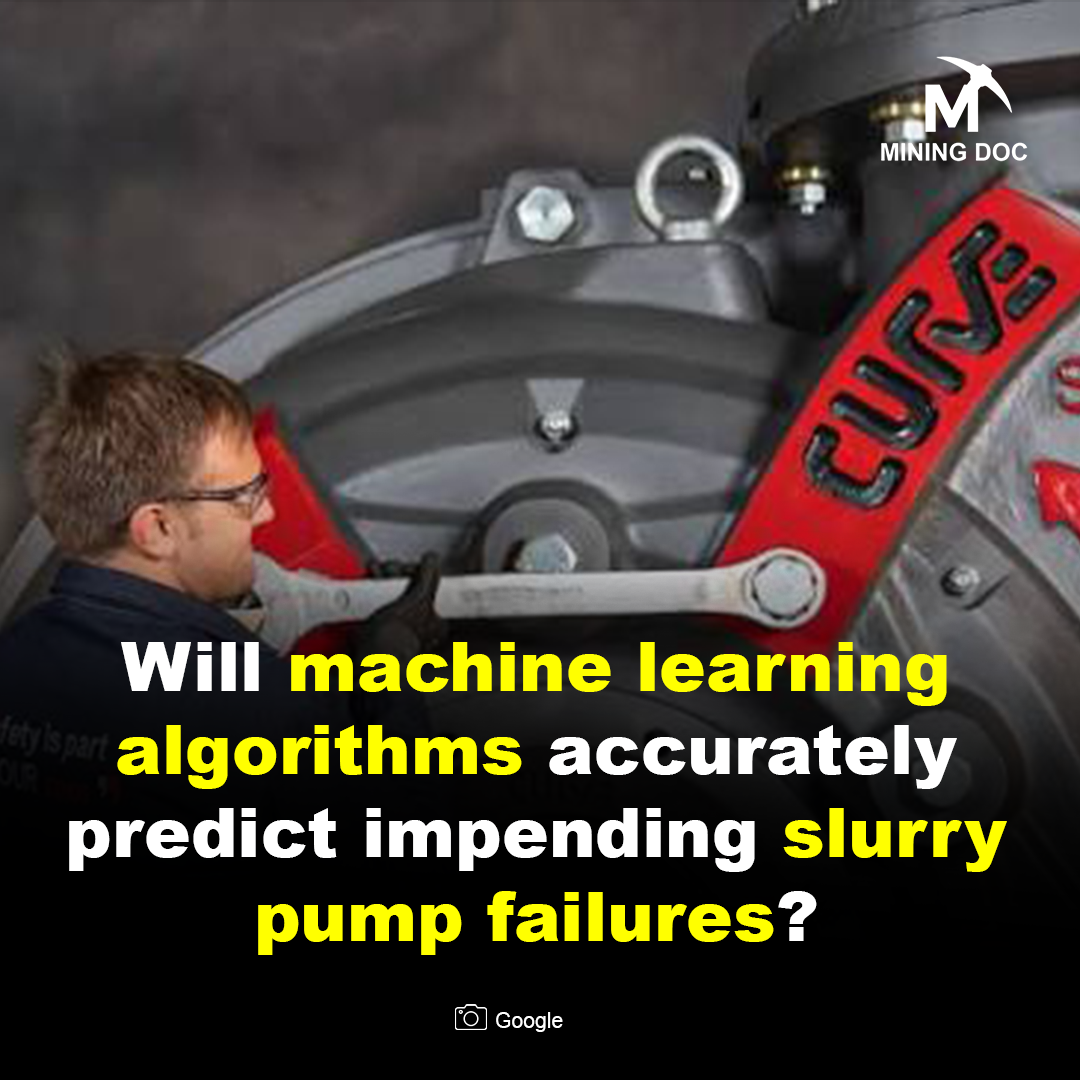
Machine learning can reliably predict slurry pump failures by analyzing real-time sensor data like vibration, pressure, and temperature to detect early mechanical anomalies. However, challenges like sparse failure data, harsh operating environments, and operational noise require combining AI with physics-based models to achieve actionable accuracy. When properly integrated, this approach enables plant operators to confidently transition from reactive firefighting to optimized, scheduled maintenance.
Modern slurry pump monitoring layers IIoT sensors tracking vibration, pressure, acoustic emissions, temperature, and current to stream real-time operational data from the asset. Machine learning algorithms, such as Random Forest, SVM, and LSTM neural networks, analyze these streams to distinguish normal operations from slow-building degradation trends. By recognizing these subtle historical failure signatures, the system accurately forecasts impending mechanical breakdowns days or weeks before a human operator notices anything unusual.
All things not being perfect, harsh operating environments generate noisy data through changing slurry densities, causing machine learning models to frequently trigger false alarms from normal feed shifts. Additionally, well-maintained pumps suffer from a data gap due to rare failure events, which starves algorithms of critical training examples and creates severe class imbalances. Compounding these issues, extreme corrosion and abrasion frequently degrade or destroy the IIoT sensors themselves, causing them to fail silently without alerting operators.
References:
Khan, M. M., Tse, P. W., & Trappey, A. J. C. (2021). Development of a novel methodology for remaining useful life prediction of industrial slurry pumps in the absence of run to failure data. Sensors, 21(24), 8420. https://doi.org/10.3390/s21248420
Leukel, J., González, J., & Riekert, M. (2021). Adoption of machine learning technology for failure prediction in industrial maintenance: A systematic review. Journal of Manufacturing Systems, 61, 87–96. https://doi.org/10.1016/j.jmsy.2021.08.012
Park, H.-S., & Choi, W.-Y. (2026). Predictive AI-based maintenance model for slurry pumps using ISO 10816-3 vibration standard. International Journal of Industrial Engineering: Theory, Applications and Practice, 33(2). https://doi.org/10.23055/ijietap.2026.33.2.11421