Circular mines are a sustainable mining strategy that makes use of circular economic practices to make the mining process itself a closed loop one, wherein there is zero waste generated because it is designed out, and the raw materials constantly cycle through the system. This is a radical shift from conventional mining where the raw materials are taken out of the ground to make products, which are used and then thrown away.
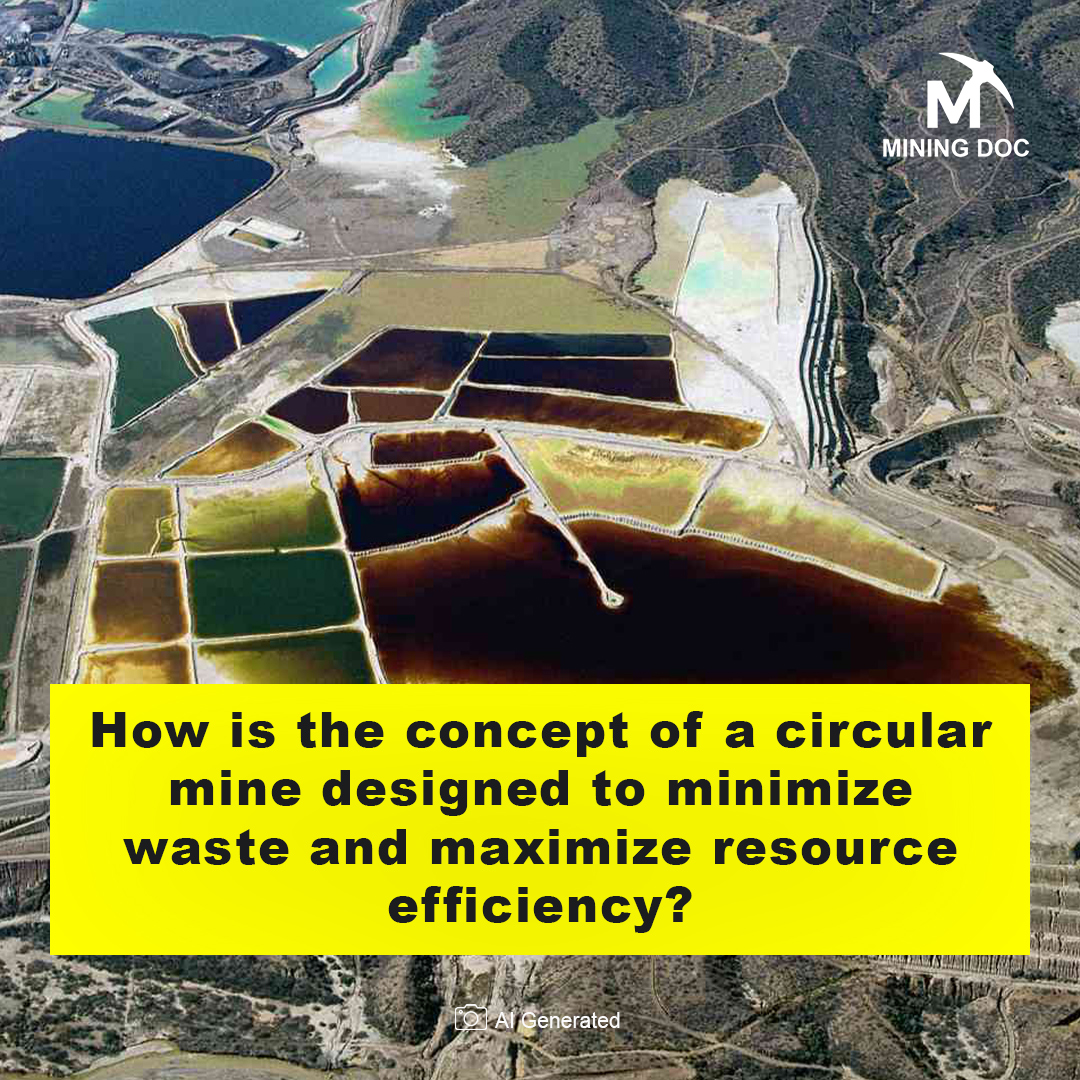
This design ensures that very little goes to waste by repurposing waste at all stages. Waste rock is either used to fill voids created by excavation, for landscaping purposes during rehabilitation, or even for paving roads. Tailings are processed again to extract additional resources, ensuring no more waste is generated. Iron-rich water treatment sludge can also be sold as pigments commercially.
Resource efficiency is achieved through closed-loop material flow processes and high-intensity recycling. Water recycling is used throughout the process cycle without any discharge, resulting in significant savings of fresh water. Equipment and facilities are reusable and recyclable by way of repairing them and not disposing or replacing them. This approach places emphasis on running mines “as long as there are enough minerals to be extracted at an acceptable cost to the environment,” thus limiting depletion of non-renewable resources.
This model employs modern material recovery technologies for recovering values from secondary flows. Recycling tailings and using secondary material streams disconnects the process of economic growth from the high utilization of raw resources. Some facilities achieve the internal recycling of about 83 percent of generated waste flows, while the recycling of copper scrap has increased by 2x in five years. E-waste from used electronics (“urban mine”) is also recycled alongside primary concentrate.
Mine closure planning is a way in which circular thinking is achieved by developing integrated rehabilitation, resulting in sustainable post-mining land use. The mine voids are refilled with extractive waste, while waste rocks are used as materials for landscaping in the rehabilitation process. The above process makes mines sites no longer a liability for the environment but rather an avenue for sustainable material management.
In conclusion, circular mining ensures there is zero mine waste through the reuse of waste into marketable commodities and sustainable water management. Effective prevention and treatment of waste not only brings about positive environmental impacts but also results in value creation from waste.