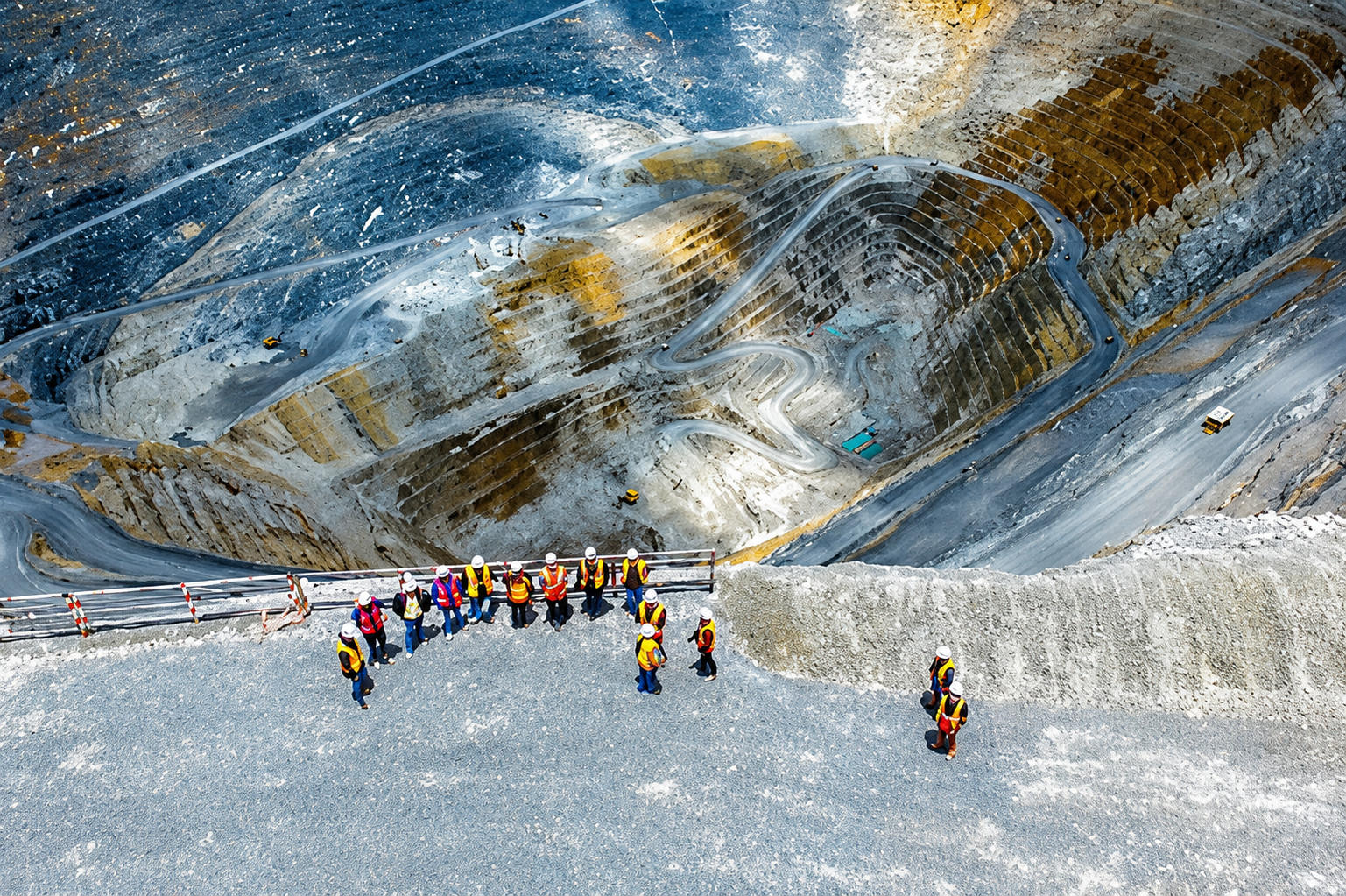
Antamina is a very important mining project located in the high central Andes of Peru. Antamina boasts a special position because it contains the biggest copper-zinc skarn deposit in the world. In addition, the mine produces tons of copper, zinc, molybdenum, and silver. Therefore, Antamina is an essential part of the global mining industry that provides base and precious metals for the entire world economy.
The geology of Antamina relates to local magmatic processes. The minerals contained in this mining deposit consist of Cretaceous and Jurassic carbonates that occur widely in the Andes region in Peru. As a result, the Antamina Porphyry Complex intruded into limestone and led to the formation of a giant skarn deposit and intense hydrothermal hypogene karstification (Klimchouk et al., 2023).
Management of the environment at Antamina is extremely complicated, especially in terms of waste rock disposal. Once waste containing sulfides comes into contact with the atmosphere, it can cause a serious form of AMD. Extended observation conducted at Antamina reveals that finely grained waste rock containing high levels of sulfides and relatively few carbonates oxidize very quickly to produce acidic drainage, rich in metals such as copper and zinc (Vriens et al., 2019).
It should also be noted that biological aspects play a considerable role in the geochemical weathering of waste rock. There have been cases recorded where very acidic microhabitats formed even inside the waste rock dump, despite its overall neutral drainage properties. In such microhabitats, acid-loving bacteria live on sulfide minerals, actively contributing to the oxidation of iron and sulfides (Dockrey et al., 2014).
However, besides the environmental effect, the Antamina Mine has also a huge impact on the human geography. Big mining megaprojects implemented in the mountains of the Andes tend to alter the socio-economic situation of the region significantly. The large-scale mining income and development may contribute to growing regional inequalities, creating political, socio-economic, and socio-environmental disparity between the locals (Arellano-Yanguas, 2017).
References
Arellano-Yanguas, J. (2017). Inequalities in mining and oil regions of andean countries. Revista Iberoamericana de Estudios de Desarrollo = Iberoamerican Journal of Development Studies, 6, 98–122. https://doi.org/10.26754/ojs_ried/ijds.255
Dockrey, J., Lindsay, M., Mayer, K., Beckie, R., Norlund, K., Warren, L., & Southam, G. (2014). Acidic microenvironments in waste rock characterized by neutral drainage: Bacteria–mineral interactions at sulfide surfaces. Minerals, 4, 170–190. https://doi.org/10.3390/min4010170
Klimchouk, A., Evans, D., Milanovic, S., Bittencourt, C., Sanchez, M., & Carlos Aguirre, F. (2023). Hypogene speleogenesis related to porphyry magmatic intrusions and its influence on subsequent karst evolution in the Peruvian high Andes. Geomorphology, 420, 108488. https://doi.org/10.1016/j.geomorph.2022.108488
Vriens, B., Peterson, H., Laurenzi, L., Smith, L., Aranda, C., Mayer, K. U., & Beckie, R. D. (2019). Long-term monitoring of waste-rock weathering at the Antamina mine, Peru. Chemosphere, 215, 858–869. https://doi.org/10.1016/j.chemosphere.2018.10.105