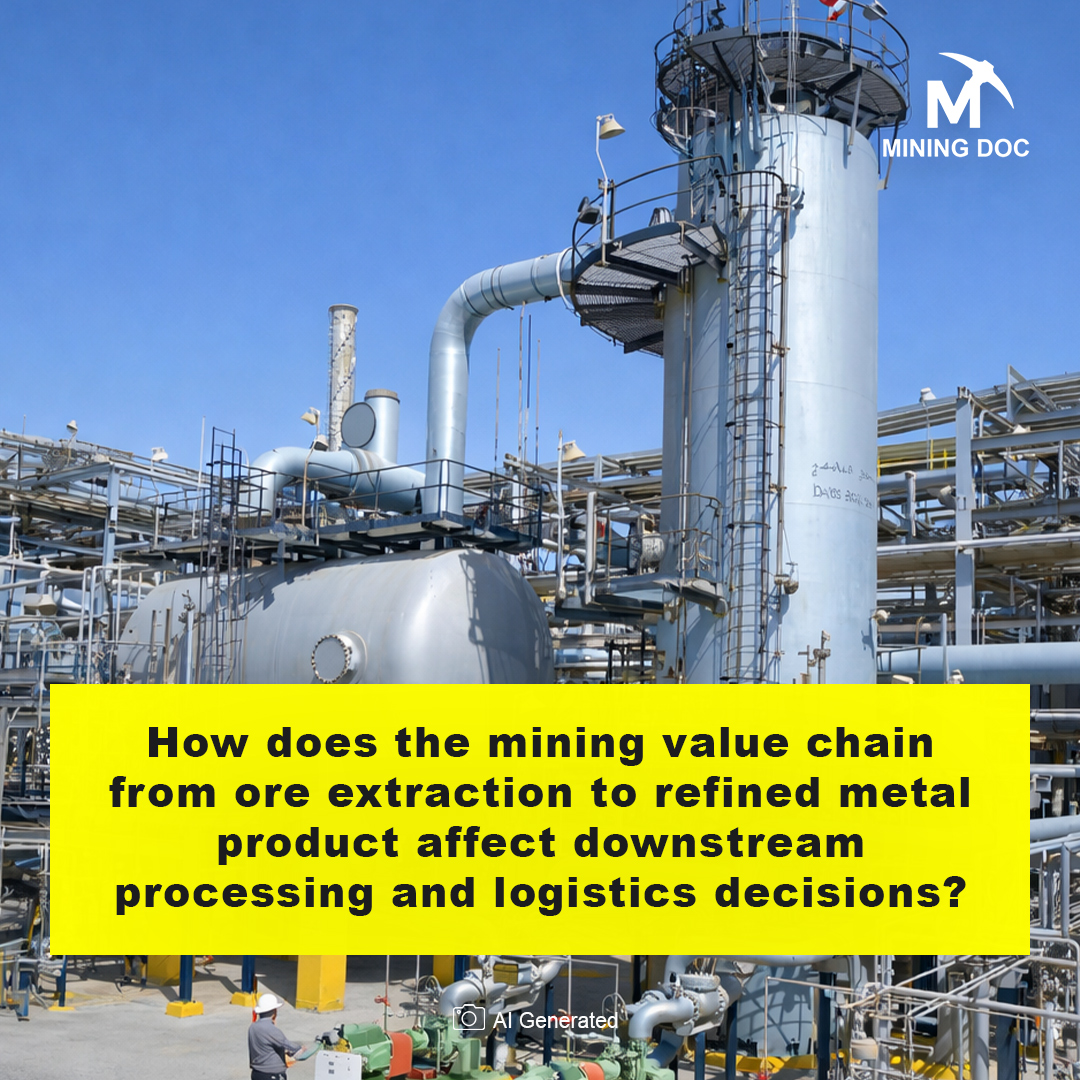
The mining value chain includes everything from ore extraction until the finished metal product is available for consumption. The main notions related to this are the mining value chain which is described as the set of consecutive stages of production and distribution of mineral products (Hazrathosseini & Moradi Afrapoli, 2023), and downstream processing which means the use of commodity minerals in their final destination. The logistics is about the efficient movement of these materials.
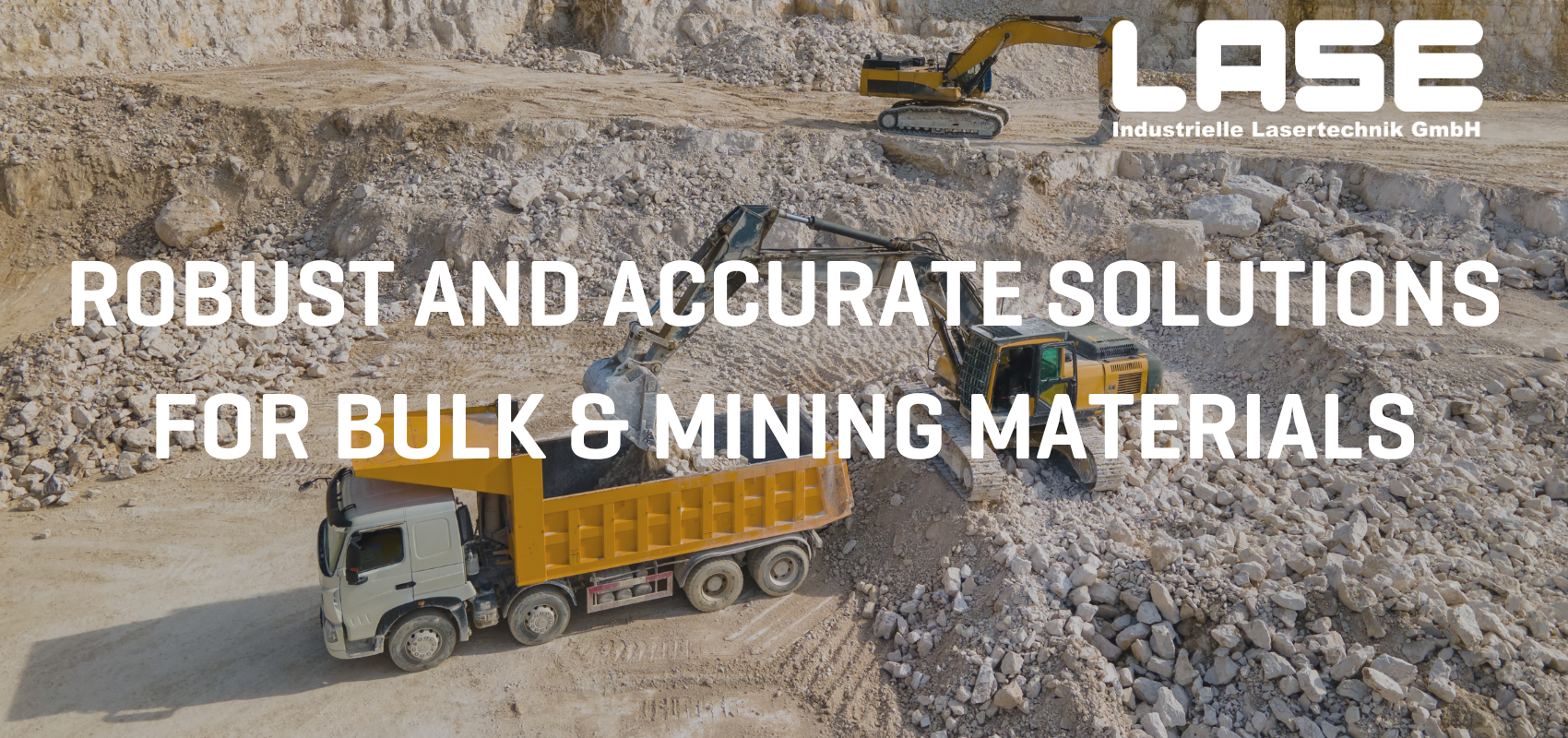
Extraction of the ore plays an important role in terms of choosing how to process it further on. The geological grade of the ore and its physical characteristics define how much beneficiation should be conducted. Since the ore usually has large amounts of waste material in it, the mining company needs to have the primary concentration plant nearby where the extraction takes place.
Refining is an important step that will have further impact on downstream manufacturing decisions. Refining a mineral concentrate into the metal of high purity is critical for contemporary clean energy and high technology industries. Depending on what metallurgical characteristics and chemical composition the metal will be produced from, the particular downstream fabrication markets will be opened for its usage. Therefore, downstream producers have to carefully coordinate their procurement strategies and designs of production facilities according to the exact metal products provided by upstream refineries.
Also, logistics decisions are intimately linked with the nature of the metal that is transported at different stages of the process. The transportation of heavy ore requires strong, large-capacity logistics networks including rail lines and bulk marine shipments. Refined high value metals require reliable, sophisticated and transparent means of transportation. The need to trace high value metals until they reach the customers prompted the recent introduction of advanced tracking systems and ledgers in the industry (Onifade et al., 2024).
Disturbances in upstream extraction and refining processes will certainly affect the downstream processes. Upstream processes form the core of the global mineral supply chain, thus disruptions due to geographical concentration and/or delays in extraction lead to great uncertainties for the downstream clean energy manufacturers (Castillo-Villagra et al., 2023). This implies that downstream organizations will be required to plan logistics that include buffers and diversification in order to reduce disruptions caused by the mining process.
In conclusion, the entire process from the extraction of ore to metal processing greatly influences downstream processes. All the factors associated with upstream processes including spatial logistics and purity of metal dictate the basis on which downstream planning should be carried out. Through the coordination of logistics and resilient processing techniques, a robust supply chain can be developed to meet the demand of minerals in the modern world.
References
Castillo-Villagra, R., Icarte, G., & Thoben, K.-D. (2023). Modelling the make process of the mineral supply chain upstream segment. Resources, 12, 132. https://doi.org/10.3390/resources12110132
Hazrathosseini, A., & Moradi Afrapoli, A. (2023). Maximizing mining operations: Unlocking the crucial role of intelligent fleet management systems in surface mining’s value chain. Mining, 4, 7–20. https://doi.org/10.3390/mining4010002
Onifade, M., Adebisi, J. A., & Zvarivadza, T. (2024). Recent advances in blockchain technology: Prospects, applications and constraints in the minerals industry. International Journal of Mining, Reclamation and Environment, 38, 497–533. https://doi.org/10.1080/17480930.2024.2319453