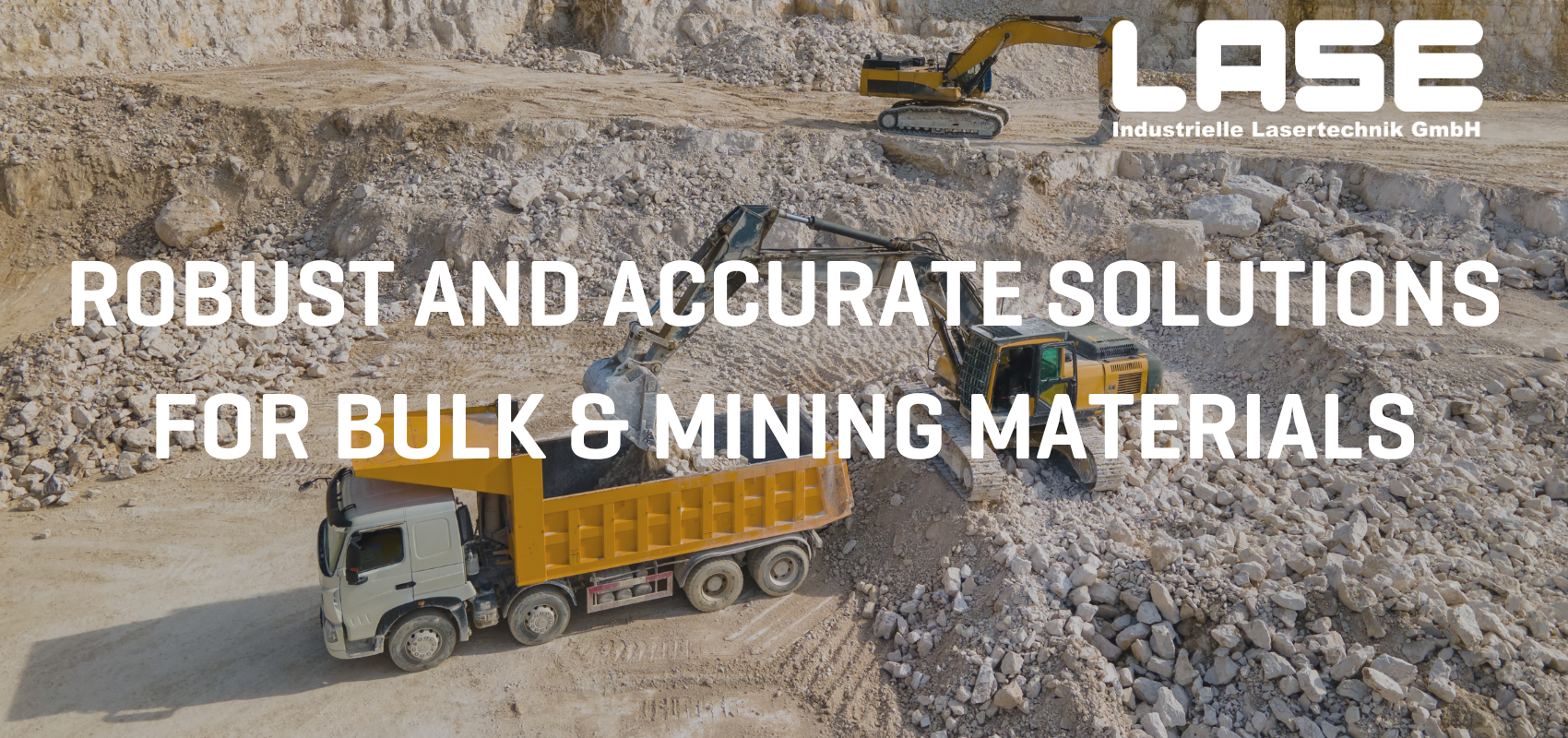
Grade dilution in mining refers to the unintentional inclusion of waste rock or low-grade material into the ore stream during extraction. This reduces the average metal content (grade) of the material delivered to the processing plant, ultimately impacting the mine’s profitability (Câmara & Peroni, 2016).
Tonnage dilution, on the other hand, is the increase in the total weight or volume of material sent to the processing plant due to the same unintended mixing of waste or low-grade material with ore (Umbrex, n.d.). While closely related to grade dilution, tonnage dilution focuses on the quantity of material extracted rather than its metal content.
Dilution is the silent thief in mining, but it comes in two forms: grade dilution and tonnage dilution! What’s the fundamental difference between these two types, and why is understanding both crucial for profitability? Share your insights!
Reference:
-
Câmara, T. R., & Peroni, R. de L. (2016). Quantifying dilution caused by execution efficiency. REM – International Engineering Journal, 69, 487–490. https://doi.org/10.1590/0370-44672014690006
-
(n.d.). Grade Control and Dilution Management Analysis. Independent Management Consultants. Retrieved October 9, 2025, from https://umbrex.com/resources/industry-analyses/how-to-analyze-a-metals-mining-company/grade-control-and-dilution-management-analysis/